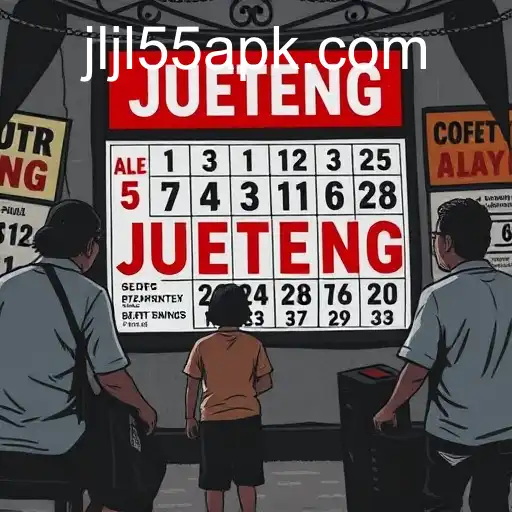
Understanding Jueteng: An Illegal Numbers Game
The term Jueteng might not resonate globally, but in the Philippines, it is a well-known illegal numbers game that has deep roots in the country's socio-cultural fabric. Originating during the Spanish colonial era, Jueteng has evolved into a significant part of the local underground economy. Despite numerous governmental efforts to suppress and eradicate it, Jueteng continues to operate, posing various societal and legal challenges.
The Mechanics of Jueteng
At its core, Jueteng is a simple numbers game similar to a lottery. Participants select a combination of numbers usually ranging from 1 to 37. These numbers are then drawn daily, and winners are awarded cash prizes. The simplicity of the game makes it attractive to various societal sectors, allowing for widespread participation regardless of economic standing. This broad appeal is one of the reasons why Jueteng remains widespread despite its illegal status.
Historical Context and Persistence
Jueteng's historical journey is as fascinating as it is complex. Introduced in the Philippines during the Spanish colonization, it initially served as a past-time among the locals. Over time, however, it morphed into a clandestine operation that entangles multiple social layers, from ordinary citizens to powerful local politicians. The game's persistence is often attributed to its role as a social equalizer, providing hope and excitement, especially in economically depressed areas.
Furthermore, Jueteng's integration into the local culture complicates efforts to abolish it. Embedded within the community’s social fabric, Jueteng serves not only as an economic venture but also as a form of entertainment. The game's clandestine nature ironically contributes to its allure, creating an environment where the thrill of participating against the law adds to its attraction.
The Social Impact of Jueteng
The operation of Jueteng has notable social implications. At an individual level, the game presents a dilemma where hope mingles with potential socio-economic peril. For many impoverished Filipinos, Jueteng offers the glimmer of financial improvement, despite the low probability of winning. This allure unfortunately draws people to spend their limited resources on bets rather than necessities, potentially exacerbating their financial predicaments.
On a broader scale, Jueteng perpetuates a culture of complicity and corruption. The game often involves local officials who, in exchange for monetary benefits or political favor, turn a blind eye to its operations. This systemic corruption undermines efforts to institute effective governance and uphold the rule of law, further entrenching Jueteng's position within society.
Efforts to Combat Jueteng
Over the decades, various administrations in the Philippines have pledged to eradicate Jueteng, recognizing it as a barrier to social and economic progress. These efforts span legislative, law enforcement, and community engagement strategies. However, challenges persist due to the game's deep-rooted integration into local cultures and economies.
For example, law enforcement efforts to crackdown on Jueteng often result in temporary disruptions of operations, which quickly resume once the focus shifts. Similarly, legislative measures aimed at suppressing the game face obstacles in the form of political resistance and societal tolerance born from years of ingrained practice.
The Role of Education and Awareness
An effective strategy against Jueteng involves a comprehensive approach prioritizing the education and economic upliftment of communities susceptible to its influence. Raising awareness about the detrimental effects of gambling and offering viable economic alternatives could diminish Jueteng's appeal. Non-governmental organizations and community groups play a crucial role in such initiatives, focusing efforts on integrated development programs that offer sustainable income sources.
Addressing the root causes of Jueteng's appeal, such as poverty and lack of opportunities, is essential. By fostering environments that encourage legal and profitable economic activities, the societal reliance on and tolerance for Jueteng can be mitigated over time.
A Multifaceted Problem
In conclusion, Jueteng remains a significant social issue in the Philippines, deeply embedded in culture and sustained by economic inequalities. Effective combat against this illegal numbers game requires a multifaceted approach that involves all social sectors. While law enforcement and legislative actions are necessary, they must be complemented by educational and economic initiatives aimed at breaking the cycle of dependency on illegal gambling practices.
The complex nature of Jueteng, involving emotional, economic, and social dimensions, challenges simplistic solutions, demanding a nuanced understanding of its cultural entrenchment. Addressing Jueteng effectively involves not only curbing its operations but transforming the socioeconomic landscape that fosters its existence.